
Quick answer
Yes — Akureyri whale watching runs right through winter, with one daily departure at 13:00 from Oddeyrarbót harbour and a Classic Whale Watching ticket at 14,500 ISK per adult. Eyjafjörður rarely freezes, so humpbacks and porpoise stay reachable. Sightings are never guaranteed, and rough weather can cancel a sailing, so keep your plans flexible.
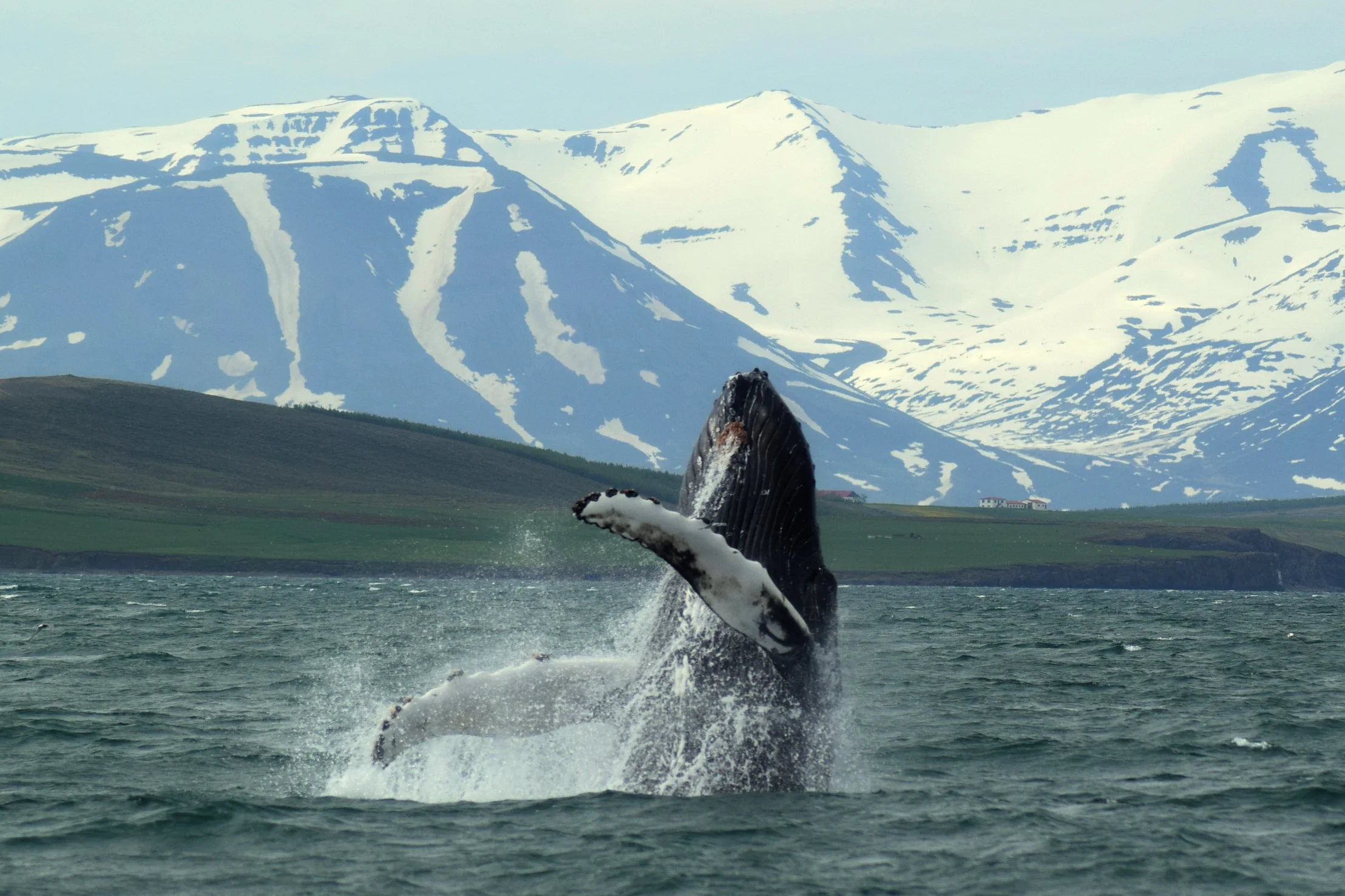
Eyjafjörður, Iceland's longest fjord, rarely freezes, and that single fact shapes everything about akureyri whale watching winter. While much of the north locks into ice and silence, this sheltered arm of water off Akureyri stays navigable, and the whales that feed here do not all leave when the light does. Humpback whales linger in the deeper channels, harbour porpoise cut across the calmer bays, and on the right afternoon a pod of white-beaked dolphins still breaks the surface. The cold season rewrites the rhythm of a trip rather than cancelling it. Fewer vessels leave the Oddeyrarbót harbour, sailings cluster around the short window of usable daylight, and the fjord itself feels emptier, its dark walls dusted white above the waterline. This is the appeal for many travellers: a quiet deck, a working hydrophone tracing calls beneath the hull, and the genuine chance that a winter sky will fold the northern lights over the same horizon the whales surface against. A winter whale watching tour in these sub-Arctic waters is a slower, more deliberate thing than its summer counterpart. Understanding what the season actually offers matters more than any single statistic. Sightings are never guaranteed on any ocean, and the operators here are candid about that; what they can promise is the fjord, the crew's knowledge of where the animals gather, and a departure that runs whenever conditions allow. Reading the practical detail before travelling — when boats leave, what a seat costs, how to reach the pier and what to wear on an open deck — turns a vague idea into a fixed plan. Each of those threads, the backbone of planning a whale watching trip in Akureyri, has its own section on this page. That is the honest frame for planning akureyri whale watching winter: modest expectations, warm layers, and flexibility around weather that can reshuffle a schedule at short notice. Treat the sections that follow as the working detail behind this overview, and use the booking tools on the site to lock in a specific sailing once the dates are set. The fjord does the rest, offering the kind of low, gold winter light and open Arctic water that photographs poorly and stays with you regardless.
“The cold season rewrites the rhythm of a trip rather than cancelling it.”
Best Months and Sea Conditions for Akureyri Whale Watching Winter
The optimal window for a winter whale watching excursion in Eyjafjörður is from November through March, specifically aligning with the daily midday departure. During these months, the low-angled winter sun provides clear lighting over the water, while the high mountains surrounding the fjord offer natural protection from heavy open-sea swells.
November
Minimal visitor traffic at harbor.-2°C to 3°C, brisk winds
Marine activity remains consistent as some humpback whales linger before southward journeys. Fjord waters are generally stable, though daylight decreases.
December to January
Very quiet outside holiday weeks.-5°C to 1°C, low daylight
With three to four daylight hours daily, tours depart strictly at midday. The snow-covered landscape provides high contrast for spotting surfacing whales.
February to March
Moderate weekend group arrivals.-4°C to 2°C, variable snow
Daylight increases rapidly during these months, improving visibility on the water. Humpback whales are frequently sighted in the calm inner fjord areas.
Verdict: The most reliable slot is a mid-week excursion in February, arriving between 12:00 and 12:45 for the daily 13:00 departure.
Daily Schedules and Hours for Akureyri Whale Watching Winter
The ticket office at Oddeyrarbót 2 is open daily from 08:00 to 16:00 during the winter season.
| Monday | 08:00–16:00 | Daily winter schedule |
|---|---|---|
| Tuesday | 08:00–16:00 | Daily winter schedule |
| Wednesday | 08:00–16:00 | Daily winter schedule |
| Thursday | 08:00–16:00 | Daily winter schedule |
| Friday | 08:00–16:00 | Daily winter schedule |
| Saturday | 08:00–16:00 | Daily winter schedule |
| Sunday | 08:00–16:00 | Daily winter schedule |
From October to April, operations focus on a single daily winter departure, whereas summer schedules feature multiple sailings.
Admission Costs and Ticket Prices for Akureyri Whale Watching Winter
Ticket prices for winter whale watching in Akureyri are determined strictly by the age bracket of the passenger. Standard admission includes the guided fjord cruise, onboard amenities, and access to the passenger saloon.
A typical adult pays 14,500 ISK for the classic cruise, and this price only changes if they upgrade to a specialized express or combination tour option.
How to Reach the Harbor for Akureyri Whale Watching Winter
The ticket office is located at Oddeyrarbót 2 in central Akureyri, directly behind the Hof Cultural Centre. If you are driving from Reykjavík, monitor winter weather and road conditions on Ring Road 1 closely as mountain passes frequently close, or consider a 45-minute domestic flight to Akureyri Airport as a reliable alternative.
Ring Road 1 (Route 1) from Reykjavík to Oddeyrarbót 2
Strætó Route 57 from Reykjavík (Ártún B) to Akureyri (Hof)
Akureyri Airport (AEY) to the Oddeyrarbót 2 office
Hof Culture and Conference Centre to the floating pier
Essential Winter Gear Checklist
Layer up for the open deck on the 13:00 winter sailing, working from base layers outward.
-
Pack thermal base layers — Merino or synthetic tops and bottoms trap heat during the exposed crossing.
-
Add an insulating mid-layer — A fleece or wool sweater holds warmth once wind picks up on the water.
-
Bring windproof, waterproof outerwear — A sealed jacket and trousers block spray and North Atlantic wind chill.
-
Wear a warm hat and neck gaiter — Cover ears and neck, since heat escapes fastest there on deck.
-
Pack waterproof gloves — Choose a touchscreen-compatible pair so you can shoot photos without bare hands.
-
Wear wool socks and waterproof boots — Dry feet keep you comfortable across the full sailing.
-
Protect your camera and phone — A splash cover or dry bag guards gear from sea spray.
Common Misconceptions About Winter Whale Cruises
Misconceptions about winter marine excursions often stem from general assumptions about animal migration patterns and northern weather. Understanding the geography of Eyjafjörður helps clarify the actual conditions travelers experience on the water during the colder season.
MythAll whales migrate to tropical waters south of Iceland during the winter months.
FactWhile many migrate, a significant number of humpback whales remain in Eyjafjörður year-round due to the stable food supply in the fjord.
MythWinter tours suffer from extreme, nauseating waves caused by open-ocean Atlantic storms.
FactThe high mountains flanking Eyjafjörður shelter the fjord waters from heavy ocean swells, keeping the sailing conditions relatively calm.
MythFreezing winter temperatures prevent marine mammals from surface feeding in Akureyri.
FactThe fjord does not completely freeze over, allowing humpback whales and harbor porpoises to feed at the surface throughout the season.
Insider Tips for Spotting Whales in Fjord Waters
Maximize your comfort and chances of spotting marine life in Eyjafjörður by preparing for the cold conditions and leveraging onboard amenities.
Motion Sickness Prevention
Stop by the ticket office before boarding to request complimentary motion sickness tablets. Even in the sheltered fjord waters, cold winter winds can cause choppy conditions that trigger nausea.
Maximize Warmth with Thermal Suits
Retrieve a complimentary thermal overall from the crew as soon as you step on board. Layering this windproof suit over your outdoor clothes prevents the frigid marine air from chilling you during the sail.
Review Daily Sighting Reports
Browse the online Whale Diary on the official website before booking. This log reveals which marine mammals were spotted in Eyjafjörður over the preceding days, helping you set realistic expectations.
Secure the Front Viewing Deck
Head to the specially designed, cinema-style viewing platform at the front of the ship for the most unobstructed view. This elevated deck provides a clear angle for capturing whale blows and flukes.
Look for Fjord Blow Patterns
Watch for dark shapes and white blows against the snowy mountain backdrop of Eyjafjörður rather than looking down into the water. The contrast makes it much easier to detect humpbacks at a distance.
Protect Camera Batteries from Cold
Keep spare camera batteries inside an inner pocket close to your body heat until you need them. The freezing fjord air drains battery power rapidly, which can cause cameras to shut down mid-tour.
Winter Activities Nearby in Akureyri
Akureyri features several local attractions that pair naturally with a winter whale watching excursion, allowing you to warm up and explore the town center before or after your tour departs from the harbor.
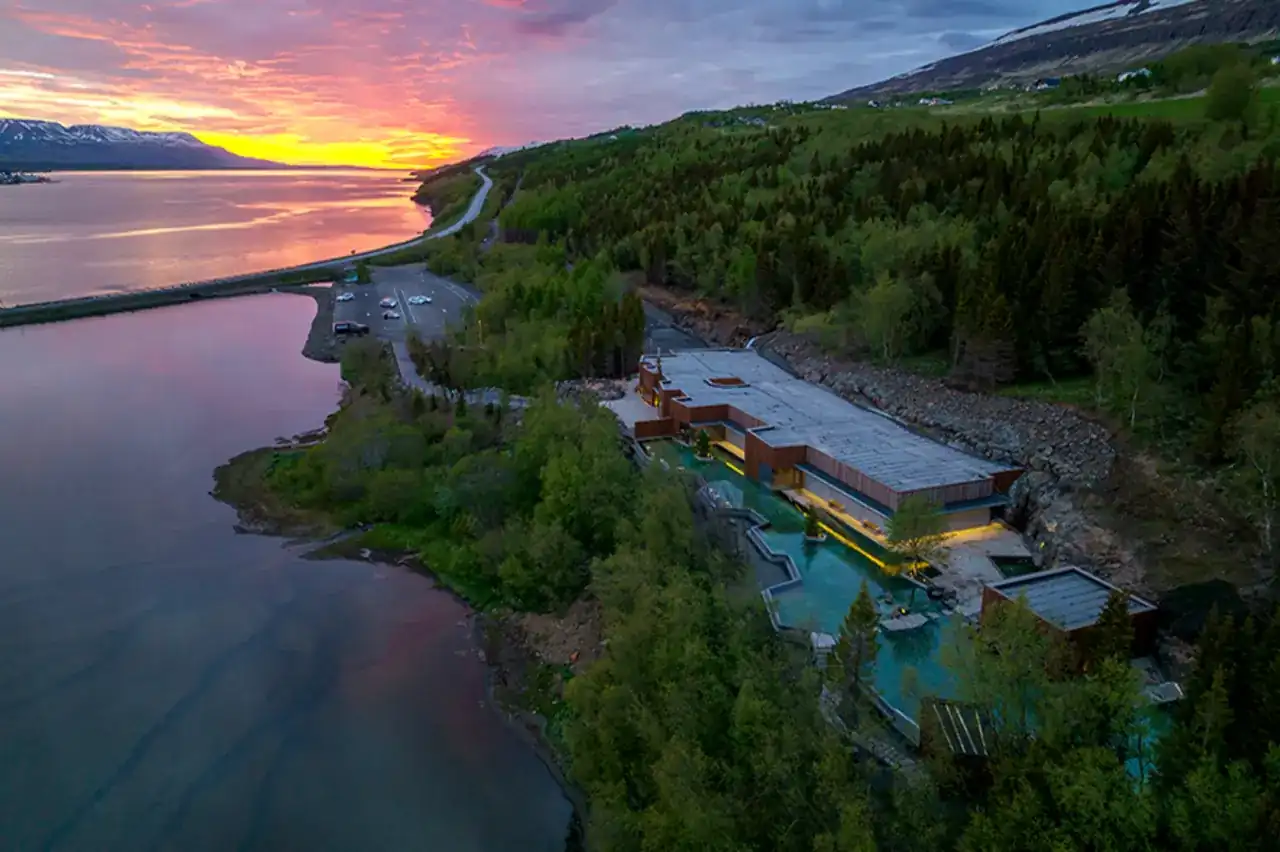
Forest Lagoon (Skógarböðin)
Soak in the geothermal waters of this forest spa to warm up after spending hours on the cold fjord. The pools overlook Eyjafjörður, providing a peaceful contrast to the boat ride.

Bláa Kannan Cafe
Located on the main pedestrian street, this landmark establishment serves hot coffee, soup, and freshly baked pastries inside a cozy, wooden interior, making it a convenient stop to escape the winter cold.

Akureyrarkirkja
Ascend the steps of this modernist landmark to inspect its unique concrete architecture and enjoy elevated views of the harbor and the snow-capped mountains surrounding the town.
Check availability
FAQs for akureyri whale watching winter tours
Everything you need to know about akureyri whale watching winter